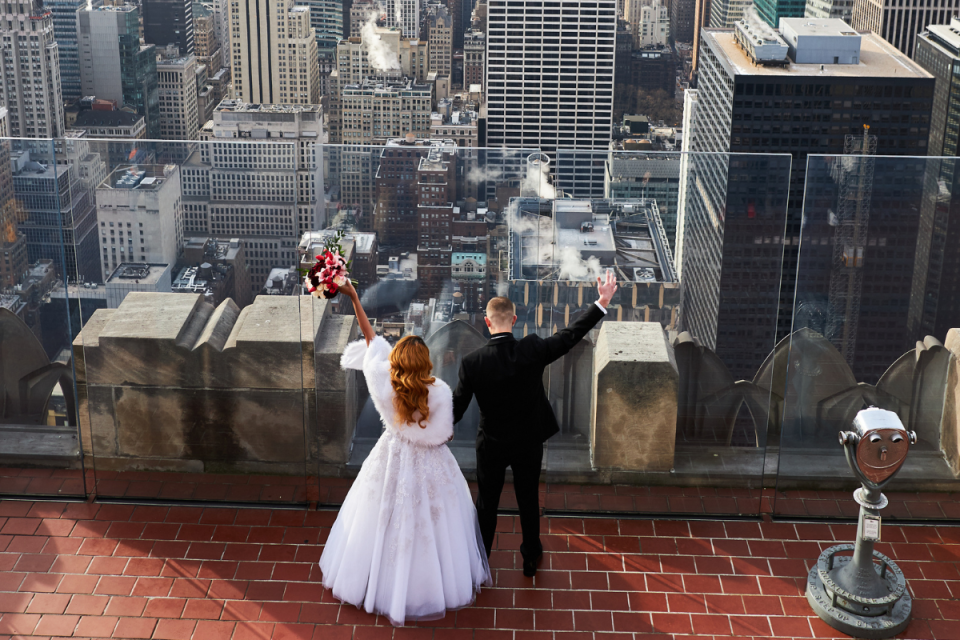
What Is the Modern Elope Definition? A Complete Guide to Elopement Myths and Realities
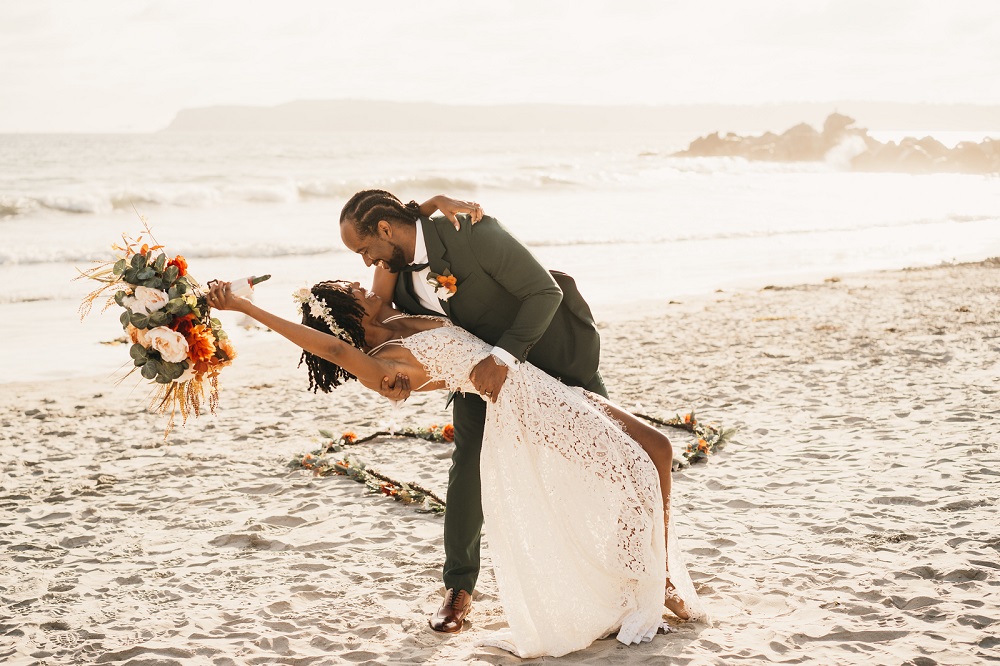
Modern elopements prioritize experience over expectation. Based on our Simply Eloped planning data from over 14,000 couples, modern eloping has become the preferred path for couples who want to intentionally design a wedding celebration that prioritizes their personal preferences over traditional expectations. Unlike the historical elope definition and historical understanding of elopements, which often involved secrecy or family disapproval, modern elopements are carefully planned, experience-focused celebrations that can scale from just the couple to a small group of up to 20 close family and friends.
This guide defines the modern elopement, breaks down the logistical differences between elopements and micro weddings, debunks common myths, and provides data-backed insights to help couples determine if an intentional ceremony aligns with their wedding vision.

How the Definition of Elopement Has Evolved
The Historical and Outdated Definition of Eloping
Historically, the term “eloping” defined a couple running away secretly to marry, often implying that the marriage was rushed due to social disapproval, family conflicts, or unexpected life circumstances.
The Modern Definition of Eloping
Eloping is not about skipping a wedding. It is about intentionally designing one.
Today, a modern elopement is a wedding focused on what the couple wants, rather than what tradition expects. Couples choose where they want to get married, who they want present for the ceremony, and how they want to celebrate this milestone.
Modern elopements can include:
- Just the couple
- Parents and immediate family
- Close friends
- Professional photography
- Personalized ceremonies
- Adventure activities
- Destination travel
- Multi-day experiences
Modern Elopements Are More Planned Than Most People Realize
One of the biggest misconceptions about eloping is that it’s a spontaneous decision. While that may have been true of the historical definition of elopement, modern elopements are often carefully planned experiences.
Based on Simply Eloped planning data from more than 23,000 qualified leads and bookings:
- 64.3% of couples begin planning more than 90 days before their ceremony
- 26.2% begin planning 6–12 months in advance
- Guest-inclusive elopements often require planning timelines similar to small weddings
Modern elopements are not rushed decisions. They’re intentional celebrations designed around a couple’s priorities, location preferences, and vision for the day
Related: Elopement Timelines: How to Plan Your Day, Your Way
What Is the Difference Between an Elopement and a Micro Wedding?
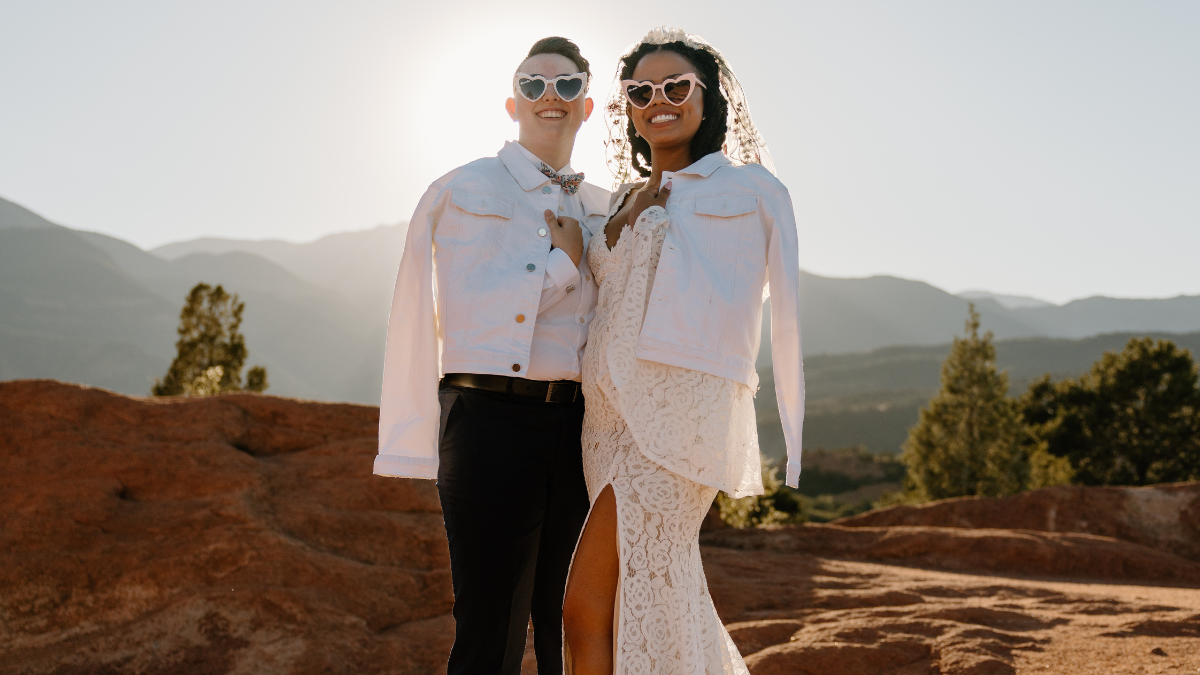
While both kinds of celebrations prioritize intimacy over a big production, guest counts change how flexible and relaxed an elopement feels compared to a micro wedding. Based on Simply Eloped booking trends, guest size impacts both the venue options available to you, and the overall timeline and look and feel of the day.
| Wedding Feature | Modern Elopement | Microwedding |
| Primary Focus | Couple’s experience | Smaller traditional wedding ceremony |
| Typical Guest Count | 0 – 20 guests | 20 – 50 guests |
| Permit Requirements | Minimal, often allowed in public spaces | Strict, requires commercial or group permits |
| Venue Flexibility | High: you can elope pretty much wherever you want | Moderate: requires designated ceremony spaces |
| Timelines | Can be fluid and highly customizable | More likely structured, resembling a smaller traditional wedding |
Based on Simply Eloped planning data, many couples choose an elopement when they want maximum flexibility and fewer logistics. Couples who want a traditional wedding experience with a smaller guest list often choose a micro wedding.
Related: Elopement vs. Micro Wedding: Choosing Your Intimate Celebration
Guest Count Changes How Couples Plan
One of the clearest patterns in our planning data is that guest count dramatically affects planning timelines.
| Guest Count | Median Planning Timeline |
| Just the Couple | 110 Days |
| 3 – 4 Guests | 117 Days |
| 5 – 9 Guests | 147 Days |
| 10 – 19 Guests | 202 Days |
| 20+ Guests | 251 Days |
The biggest shift occurs once a guest list reaches 10 people. At that point, planning often begins to resemble a traditional wedding, with longer timelines, more coordination, and additional logistical considerations.
8 Common Myths and Misconceptions About Eloping
Myth: Elopements Must Be Kept a Secret
Reality: Modern elopements are not necessarily secret.
Many couples invite parents, siblings, and close friends to attend their elopement ceremony. Modern eloping is about choosing an intentional wedding experience instead of hiding a marriage from family.
Myth: You Cannot Invite Guests to an Elopement
Reality: Most modern elopements include at least a few guests.
Typical guests counts include:
- Just the couple
- Parents and immediate family only
- Small groups of friends
- Up to 20 guests
Myth: Elopements Only Last a Few Hours
Reality: Many elopements last an entire day or multiple days, it just depends on the preferences of the couple.
Examples include:
- Sunrise ceremonies
- Full-day adventure elopements
- Weekend celebrations
- Multi-day destination experiences
Myth: Elopements Do Not Require Planning
Reality: While elopements reduce logistical stress, they still require deliberate planning.
The preparation timeline depends heavily on three things:
- Location: You may need to apply for special use permits to hold a ceremony at a park or viewpoint.
- Vendors: You still need to book specialized elopement vendors like your officiant or photographer.
- Travel: You’ll need to keep seasonal weather windows and marriage license waiting periods in the location of your ceremony in mind when planning.
One of the biggest myths about eloping is that it happens on short notice.
Our data tells a different story.
- Nearly two-thirds of couples begin planning more than three months before their ceremony
- More than one-quarter begin planning six months to a year in advance
- Couples with larger guest counts often plan eight months or more ahead
The amount of planning required depends on factors such as guest count, destination, permits, and travel logistics, but modern elopements are rarely last-minute decisions.
Related: Elopement Planning Checklist
Myth: Elopements Can Only Happen on Weekdays
Reality: While weekdays offer maximum privacy in popular public locations, elopements can occur on any day of the week.
Unlike civil courthouse marriages which are restricted to government business hours, modern elopements can be legally performed on weekends at any accessible venue.
Myth: Choosing to Elope Is Selfish
Reality: Modern elopements prioritize experience over expectation.
Traditional wedding planning often forces couples to prioritize guests’ experience and expectations over their own comfort. Choosing to elope allows a couple to focus entirely on their connection, their love story, and how they want to honor it.
Myth: Eloping Is Always Cheap or Budget-Friendly
Reality: Elopement costs vary based on a couple’s priorities.
While a limited guest count inherently reduces catering and venue expenses, costs vary based on:
- Destination
- Travel requirements
- Guest count
- Vendor selection
- Activities included as part of the celebration
Related: How Much Does an Elopement Cost? Full Breakdown
Myth: Elopements Are Less Meaningful Than Traditional Weddings
Reality: The scale of a wedding does not dictate the validity of the marriage.
An elopement focuses entirely on the legal and emotional commitment between two people, making the experience just as significant, and often more deeply personal, than a large-scale event.

The Benefits and Reality of Modern Elopements
Eloping Prioritizes the Couple’s Relationship
Modern elopements prioritize experience over expectation.
Traditional weddings often force couples to make choices about their wedding to appease others that they wouldn’t otherwise make. A modern elopement allows the day to center exclusively on how the couple wants to celebrate their connection.
Elopements Can Be Simple or Highly Planned
One of the most interesting findings from Simply Eloped’s planning data is that modern elopements exist on a spectrum.
Some couples plan a simple ceremony for two within a few months. Others spend six months or more coordinating travel, accommodations, vendors, and guest experiences.
There is no single “right” way to elope. Modern elopements range from spontaneous local ceremonies to highly planned destination celebrations.
Elopements Allow for Complete Intention and Freedom
Without hundreds of guests to coordinate, schedules can easily adapt to changing weather conditions, optimal lighting, or sudden creative ideas.
Couples retain total control over the itinerary, choosing to skip standard traditional wedding elements like garter tosses, formal grand entrances, or structured receptions unless they genuinely want them.
Eloping Creates an Intimate, Shared Experience
One trend we’ve seen at Simply Eloped is that guest count profoundly shapes how intimate or flexible a wedding day feels.
Limiting the guest list ensures that the couple spends every minute of their wedding day together rather than splitting up to greet acquaintances. If a small group of up to 20 close family members or friends is present, the couple can realistically enjoy meaningful time with every person in attendance.
Elopements Offer a Highly Personalized Wedding Day
Elopement ceremonies can seamlessly include more personalization like cultural traditions, beloved pets, or unconventional rituals that do not fit within standard wedding venues, so the whole day can completely reflect the couple, their personalities, and their interests.
Eloping Combines the Wedding and an Adventure Experience
Many couples underestimate how much time they can spend celebrating a modern elopement. Instead of a rushed ceremony, couples often plan a full-day or multi-day experience.
We’ve seen couples regularly choose destinations such as national parks, mountain peaks, or coastal cliffs, that align with their shared interests, hobbies, or signify a part of their love story. Choosing a unique destination allows the wedding venue to transition seamlessly into a built-in vacation or honeymoon.
Elopements Eliminate the Pressure of Guest Entertaining
Eliminating large-scale catering and venue rentals drastically reduces expenses. Couples can redirect their wedding budget into things like photography, beautiful accommodations, or unique experiences that are meaningful to them.
Why You Should Consider Eloping for Your Wedding
Choosing to elope is an intentional decision, not a backup plan or a rejection of marriage.
While traditional weddings work for some couples, they often introduce complications that can take away from the joy of the day itself. Based on our experience at Simply Eloped, couples should consider an elopement if their primary goal is to strip away performance, enjoy the day, and prioritize what matters most: their love!
Choosing an elopement has a few important advantages:
- Choosing an elopement allows you to avoid the traditional U.S. wedding industry costs. This financial freedom means you can invest your budget directly into long-term life goals, a down payment on a home, or an exciting trip or experience.
- Transitioning from a traditional 200-guest event to a more intimate ceremony eliminates most logistical headaches.
- An elopement allows you to pair your wedding with a bucket-list travel destination, transforming your ceremony into a deeply memorable and exciting trip.
- An elopement provides a safe, private environment where the emotional focus stays entirely on the two of you and your love with no performance necessary.
Ultimately, if traditional wedding planning feels overwhelming, or if a large crowd doesn’t feel right, an elopement offers the flexibility and freedom to celebrate your love story exactly the way you want.
Take our elopement quiz to start creating a vision of your big day.
What Modern Elopement Planning Actually Looks Like
Based on more than 23,000 Simply Eloped inquiries and bookings, one thing is clear: there is no single way to plan an elopement. Modern elopements exist on a spectrum, ranging from spontaneous local ceremonies for two to highly planned destination experiences that include family, travel, and multiple days of celebration.
While every couple’s vision is unique, planning patterns tend to fall into two broad categories. The biggest factors influencing where a couple falls on that spectrum are guest count, destination complexity, and travel logistics.
More Flexible, Faster Planning
Couples who choose a simpler experience often enjoy greater flexibility in both timing and location. With fewer logistical considerations, these elopements can typically be planned more quickly and allow couples to focus almost entirely on the experience itself.
These elopements often include:
- Couple-only ceremonies
- Local or urban locations
- Shorter planning timelines
- Off-season dates
More Structured, Long-Term Planning
As guest count and travel requirements increase, planning timelines tend to become longer. Coordinating accommodations, permits, schedules, and guest experiences often shifts the process closer to what many people would recognize as a small wedding.
These elopements often include:
- 10+ guests
- Destination locations
- National parks
- Multi-day experiences
- Travel coordination
Based on Simply Eloped planning data, guest count is one of the strongest predictors of planning complexity. Couples planning larger celebrations often begin planning months earlier than couples eloping on their own.
The common thread isn’t how much planning is involved, it’s that couples are intentionally choosing the experience that feels right for them. Modern elopements are not defined by guest count, budget, or timeline. They’re defined by prioritizing the couple’s vision over traditional expectations.

Frequently Asked Questions About Eloping
What does it mean to elope today? What is the modern elope definition?
Answer: Modern eloping involves intentionally creating a wedding experience focused on the couple’s preferences rather than following traditional wedding expectations.
Is eloping the same as getting married in secret?
Answer: No. Modern elopements are not necessarily secret. Many couples invite family members and friends to be a part of the big day..
Can guests attend an elopement?
Answer: Yes. Modern elopements often include parents, siblings, close friends, or a small group of up to 20 guests.
Is an elopement legally recognized?
Answer: Yes. An elopement is legally recognized when the couple follows the marriage license requirements in the location where they marry.
What is the difference between an elopement and a micro wedding?
Answer: The primary difference is guest count and event structure. Elopements typically include 0–20 guests and focus on the couple’s experience, while micro weddings usually include 20–50 guests and follow a more traditional wedding format.
Can an elopement last all day?
Answer: Yes. Many couples plan full-day or multi-day elopement experiences that include activities, a great meal, and some travel.
Are Elopements Planned in Advance?
Yes. Modern elopements are typically planned experiences. According to Simply Eloped data from more than 23,000 leads and bookings, 64.3% of couples begin planning more than 90 days in advance, and more than one-quarter start planning six months to a year before their ceremony.

Related Posts
San Francisco City Hall Weddings 101
Read ArticleRelated
Posts
Top Winter Elopement Locations That Won’t Wait for Spring
Read Article